Best Pokies in Melbourne: Venues and Opening Times
 Available in AU
A practical guide to interpreting proximity, venue hours, payout claims and the limits of online pokies information in Melbourne.
Table of Contents
- Pokies Near Melbourne Airport and Other Travel Hubs
- When Melbourne Pokies Venues Are Open
- What “Best Paying” Can and Cannot Establish
- Melbourne Gaming Venues and Their Safeguards
- Crown Melbourne: What the Available Evidence Supports
- Online Pokies and the Limits of the Australian Framework
- 24-Hour Pokies and Venue Opening Times
- Pokies Across Melbourne’s Eastern and Western Suburbs
- Pokies in Melbourne’s CBD and Clubs
- North and South Melbourne Venue Searches
Pokies Near Melbourne Airport and Other Travel Hubs
A location search for pokies near Melbourne Airport can refer to several different things: a venue inside the airport precinct, one close to a terminal, or somewhere considered accessible during a trip to or from the airport. Those meanings are not interchangeable. A venue described as nearby on a map may still be inconvenient for a traveller, while a place farther away could be easier to reach depending on the journey and transport available.
The same distinction applies to searches around Melbourne Central. The name can serve as a central-city reference point, but it does not define a single radius or indicate how a particular location could be reached. “Near” might mean a short walk, a brief trip from a station, or simply the same broad part of Melbourne. Without a clearly stated measure, a proximity label carries little information about practical access.
Port Melbourne presents a different geographic reference. It is a suburb rather than an individual transport terminal or a single central landmark. A search for pokies in Port Melbourne therefore leaves open whether the intended area is close to a particular street, destination or route. Treating the whole suburb as one point can obscure the difference between a place that is locally close and one that is convenient from another part of the city.
These distinctions matter because travel-related searches often compress several decisions into a few words. Someone travelling through the airport may be looking for a place close to a terminal; someone using Melbourne Central as a landmark may mean the surrounding central area; and someone searching Port Melbourne may have a suburb-wide destination in mind. The wording alone does not establish which interpretation is intended, or show that a venue meets it.
A useful location description would identify its reference point and explain what “near” means in relation to it. Distance on a map is one measure, but it does not account for the route, access arrangements or the time required to travel. A listing that gives only a suburb or landmark can therefore be insufficient for judging whether a place fits a particular itinerary. Search results can also group locations by broad area even when their actual accessibility differs.
This is especially relevant to the phrase “pokies in Melbourne Airport”. It can be read as a claim that a venue is within the airport itself, rather than somewhere in the wider area. The distinction should not be blurred: a broad airport-area label does not establish that a place is on airport premises. Similarly, describing a location as “near Melbourne Central” does not by itself show that it is inside the centre or immediately adjacent to it.
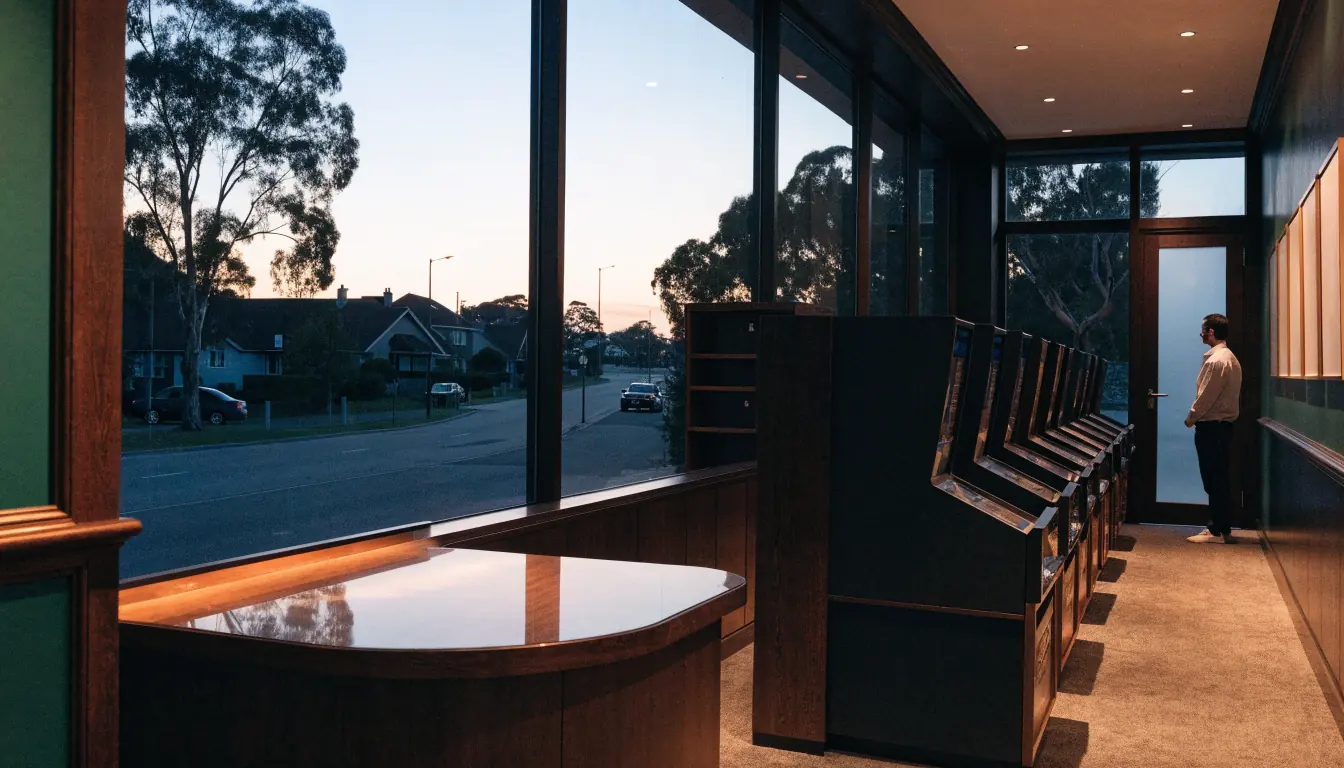
The phrase “near me” is also dependent on context. It refers to the location from which the search is made, which may be an airport, a hotel, a workplace or another part of Melbourne. The resulting area can change as that starting point changes. It is not a stable geographic category and cannot, on its own, identify a suitable destination.
For Melbourne more generally, a central-city reference and a metropolitan reference should not be treated as equivalent. A result associated with Melbourne may be outside the central area, while a result described as near the CBD may refer to a broad boundary rather than a specific landmark. This makes exact location wording important: suburb, nearby reference point and practical access are separate pieces of information, not substitutes for one another.
The most defensible way to interpret these travel-hub terms is as requests for location clarity, not as evidence that a venue is inside a terminal, beside a landmark or easy to reach. Airport, Melbourne Central and Port Melbourne searches point to distinct geographic needs. A label can indicate the general area being discussed, but only a precise address and a clear account of the relationship to the chosen reference point can establish what “near” means in practice.
Proximity labels like “near Melbourne Airport” or “near Melbourne Central” can refer to different distances and access points depending on the traveller’s specific route and transport.
When Melbourne Pokies Venues Are Open
Whether a Melbourne venue is open at a particular moment cannot be established from a general description of the city’s pokies. Opening times are set at venue level, and a venue’s hours may not be the same as the hours during which its gaming area or machines are available. Without current, venue-specific information, it is not possible to state that pokies are open now or to give a reliable city-wide opening time.
This distinction matters for searches about early or late access. A venue that operates at a given time is not necessarily evidence that its pokies are operating then. Conversely, information about gaming facilities does not by itself establish when the wider venue admits patrons. Treating those as interchangeable can turn an assumption about one part of a venue into an inaccurate claim about another.
Why a general opening time is not reliable
Melbourne has no single schedule that can be applied to every venue. A broad statement such as “open now” would depend on the particular venue, the day, and whether the relevant area is available at that time. A result that does not identify a venue and a current schedule cannot settle those details.
Published hours can also be insufficient if they refer only to a venue’s overall operation. A listing may not specify whether the gaming area follows the same schedule, whether access is affected by a temporary change, or whether the information has been updated. In the absence of a direct, current confirmation, a displayed time should not be treated as proof that pokies are accessible at that moment.

The same caution applies to requests for a particular early-morning opening time. A time typed into a search does not establish that a Melbourne venue, or its gaming area, is open then. Nor does the existence of venues in different parts of the city establish a common opening pattern. A specific answer requires current information tied to the venue in question.
What “open now” can and cannot mean
“Open now” is time-sensitive. It can be accurate only in relation to a particular place and the time the information is checked. A static article cannot confirm present availability, and a general city guide cannot account for a venue’s latest schedule or a temporary interruption. Even a venue’s stated hours may answer only whether the premises are scheduled to be open, rather than whether pokies are operating.
For a dependable check, the relevant information needs to come from the venue itself and refer to the date and time in question. If the published hours do not distinguish between general access and gaming-area access, that distinction remains unresolved until the venue confirms it. This is more precise than inferring machine availability from a map listing, an old directory entry, or a broad description of local venues.
Search results that say “open” should therefore be read according to what they actually identify. A listing for a venue is not necessarily a current statement about its gaming facilities. A schedule without a date may not reflect a change, while a statement about the gaming area may not establish that the venue is accepting visitors at the time. Each claim has a limited scope.
- Check the specific venue’s current schedule for both premises and gaming area access.
- Confirm machine availability directly with the venue.
- Assume a venue’s general opening hours mean the pokies are available at that time.
- Rely on static articles or broad city guides for present availability.
Opening and payout are separate questions
Opening availability does not determine how a pokie pays. A venue’s operating schedule cannot establish a machine’s return rate, and a payout-related claim cannot confirm that the machine or venue is available at a given time. These are separate questions requiring different evidence. A schedule addresses access; it does not provide a basis for comparing outcomes or identifying a “best” time to play.
That distinction also prevents a common inference: that a machine’s performance changes because it is available early, late, or during a particular part of the day. No conclusion about payout follows from opening status alone. Timing information, even when current and venue-specific, describes access rather than the result of any individual play.
For Melbourne generally, the defensible position is limited: opening availability must be checked at the individual venue, and current access to pokies cannot be inferred from a city-wide claim or from a venue’s general operating hours. Until a venue confirms both its schedule and the status of its gaming area, whether its pokies are open at a particular moment remains uncertain.
What “Best Paying” Can and Cannot Establish
Choosing pokies to play in Melbourne means weighing the details that matter to you, such as licensing information, deposit requirements and available payout methods. Use this list as a starting point and check the terms that apply to your location and chosen payment method.
License: Curacao eGaming OGL/2023/174/0082 (Dama N.V.) · Min. deposit: A$15 LevelUp Casino lists a Curacao eGaming licence held by Dama N.V. Its minimum deposit is A$15.
License: Curacao · Payout speed: crypto 30-60 minutes, fiat 1-5 days · Min. deposit: A$10 Wild Tokyo lists a Curacao licence and a minimum deposit of A$10. Its stated payout times are 30–60 minutes for crypto and 1–5 days for fiat.
License: Curacao, operated by Dama N.V. 7Bit Casino is operated by Dama N.V. and lists a Curacao licence.
License: Tobique Gaming Commission · Payout speed: crypto ~10-15 minutes, fiat 1-5 days · Min. deposit: A$30 SkyCrown lists a Tobique Gaming Commission licence. Its stated payout times are around 10–15 minutes for crypto and 1–5 days for fiat; the minimum deposit is A$30.
Payout speed: crypto under 1 hour, PayID 1-3 business days · Min. deposit: A$20 (A$30 to qualify for the bonus) Ricky Casino has a minimum deposit of A$20, or A$30 to qualify for the bonus. It lists crypto payouts under an hour and PayID payouts in 1–3 business days.
License: Curacao eGaming (Hollycorn N.V., since 2017) · Min. deposit: A$20-30 (depends on the offer) Playfina Casino lists a Curacao eGaming licence held by Hollycorn N.V. since 2017. Its minimum deposit is A$20–30, depending on the offer.
License: Curacao – Antillephone N.V. (Versus Odds B.V.) · Min. deposit: EUR 20 Thor Casino lists a Curacao licence from Antillephone N.V. for Versus Odds B.V. Its minimum deposit is EUR 20.
License: Curacao OGL/2024/1335/0780 · Min. deposit: EUR 20 Vegaz Casino lists a Curacao OGL/2024/1335/0780 licence and a minimum deposit of EUR 20.
License: international iGaming licence – jurisdiction not named in the source · Payout speed: PayID 1-24 hours · Min. deposit: A$30 (PayID from A$10) House of Pokies lists an international iGaming licence, though the source does not name the jurisdiction. PayID payouts are stated as 1–24 hours; the minimum deposit is A$30, or A$10 with PayID.
License: Curacao eGaming (Roby Games Ltd) Roby Casino lists a Curacao eGaming licence held by Roby Games Ltd.
“Best paying” sounds like a direct comparison, but a return-to-player (RTP) figure describes a configured game setting, not the amount a person will receive from a particular session. It can help compare stated theoretical returns when the figures refer to the same game configuration and are reported on a comparable basis. It cannot predict whether a particular spin will win, or establish that one Melbourne venue will produce better results for an individual player.
A specialist review reports that some game providers allow casinos to choose between multiple RTP settings for the same pokie. Consequently, a title alone may not identify the return setting in use. Two casinos could offer the same game with different theoretical return percentages if their selected configurations differ. A comparison based only on game names, without checking which setting applies, may therefore give a misleading impression of equivalence.
Even a correctly identified RTP setting is not a promise about a session. Each spin is generated separately through a Random Number Generator (RNG), so its outcome does not depend on whether earlier spins won or lost. A run of losing spins does not make a win due, and a recent win does not make another one more likely. The theoretical return figure concerns the game’s configured probability model; it does not describe a guaranteed share of a player’s stake returned within a short period.
This distinction matters when assessing claims about the best-paying pokies in Melbourne, including games in the CBD or city centre. A sound comparison would need to identify the game and its active RTP configuration at each venue, then ensure that the figures being compared have the same meaning. A game’s popularity, visual theme or reputation for large wins does not, by itself, establish a higher return. Nor does an isolated account of a win demonstrate that a game or venue pays more consistently.
Attention A “best paying” label is not a guarantee of individual results, as each spin is an independent event generated by a Random Number Generator.
RTP also does not describe every feature relevant to an outcome. It should not be treated as a forecast of how often wins will occur, how large they will be, or how a particular session will unfold. Those are different questions from the theoretical proportion represented by a return figure. A headline ranking that does not explain its basis can blur these distinctions and make a statistical measure sound like a practical guarantee.
For Melbourne casino pokies, the phrase “best paying” is most useful when it leads to a specific, checkable comparison: the same pokie, the applicable setting, and clearly explained figures. Without that context, rankings may compare unlike configurations or rely on a title’s reputation rather than its stated return. Even with comparable settings, an RTP figure supports a comparison of theoretical returns only. It does not establish what will happen on the next spin or determine the result of any individual session.
Melbourne Gaming Venues and Their Safeguards
A venue’s safeguards are a more concrete basis for comparison than an unsupported label such as “best”. That label does not establish how a venue responds when gambling becomes harmful, or what measures are available to limit play. For Melbourne venues, the relevant questions concern the safeguards in place and whether their operation can be confirmed—not an assumed ranking of pokies rooms.
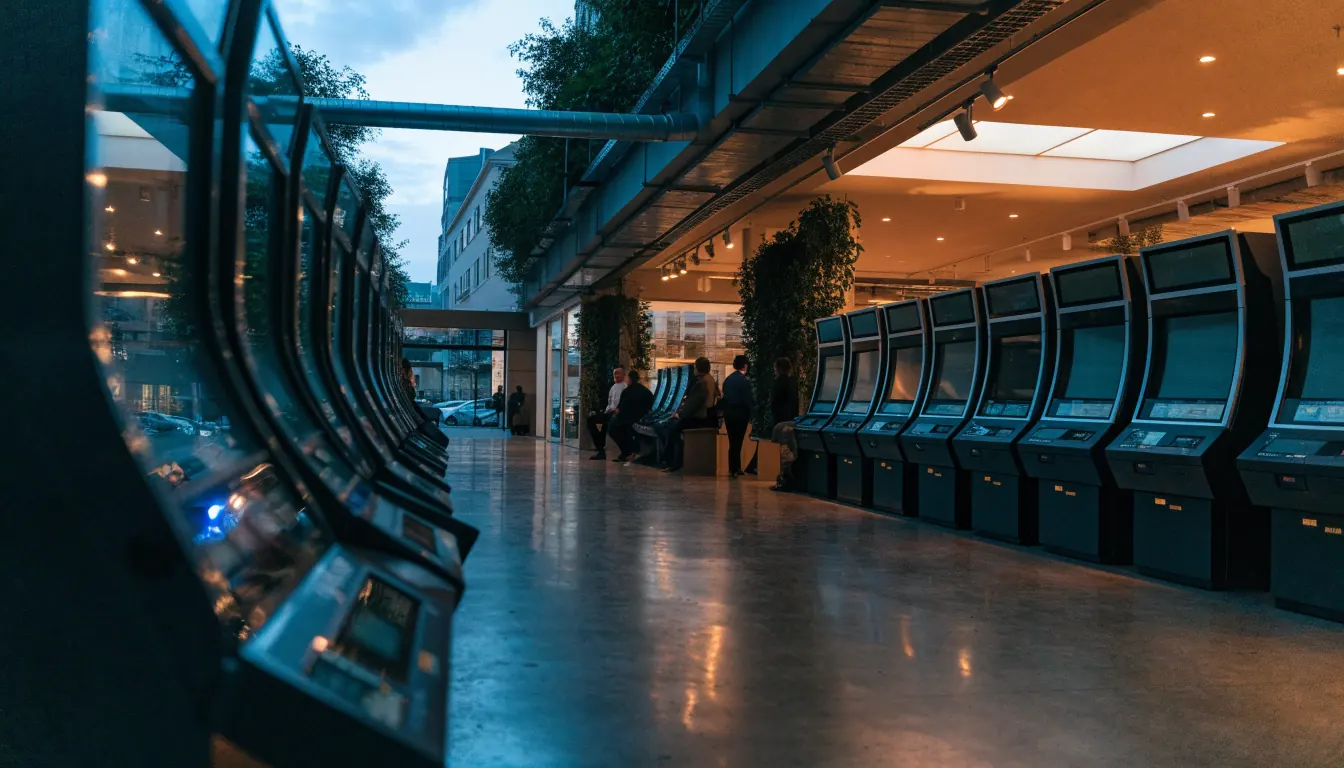
Deposit limits, loss limits and session time limits are established responsible-gambling tools. Each addresses a different part of gambling activity: the amount deposited, the amount lost, or the time spent playing. Self-exclusion is another recognised option, intended to prevent access to gambling for a person who chooses to exclude themselves. These tools are not evidence that a particular venue has a superior record, nor do their names alone establish how they are implemented at a particular location.
A report published by regionriverina.com.au describes a requirement beginning on 1 July for venues with more than 20 gaming machines to have a dedicated responsible gambling officer (RGO) on duty while those machines are operating. The report also describes a one-month grace period for venues to remove signage and introduce RGOs. These details concern the reported venue requirements; they do not identify which Melbourne venues meet the threshold or confirm the staffing arrangements at any particular site.
The RGO requirement is relevant because it connects a venue’s safeguards with staff presence during machine operation. It should not be treated as proof that gambling-related harm will be prevented, or that a particular venue is safer than another. A staffing requirement and the practical availability of support are separate matters. Without venue-specific information, no conclusion can be drawn about how an individual RGO carries out the role or what support is offered in a given situation.
Venue Safeguards
Responsible gambling tools include deposit limits, loss limits, and session time limits. Additionally, venues with more than 20 machines are required to have a dedicated responsible gambling officer (RGO) on duty and maintain a gambling incident register.
The same report says venues will be required to keep a gambling incident register. It is intended to record occurrences, including cases where a patron’s behaviour indicates possible risk of, or effects from, gambling harm. A register provides a formal way to record such incidents; its existence does not by itself show how consistently concerns are identified, documented or acted upon. Nor does it establish how many incidents occur at any particular venue.
These distinctions matter when assessing venues in Melbourne, including those in the central city. A venue’s size, machine count or public profile does not, on its own, demonstrate the quality of its safeguards. Conversely, the absence of accessible venue-level information is not evidence that safeguards are absent. It limits what can responsibly be said about one venue in comparison with another.
A careful assessment therefore separates general tools from specific claims. Limits and self-exclusion are recognised safeguards, while the reported RGO and incident-register measures describe venue-level requirements. None supplies a basis for naming a best pokies venue in Melbourne. Such a judgement would require reliable, venue-specific evidence about the safeguards actually in place and how they operate. Without that evidence, a comparative recommendation would go beyond what these measures establish.
Crown Melbourne: What the Available Evidence Supports
Crown Melbourne is a specific venue, so claims about its pokies need to be kept separate from general statements about Melbourne. The venue’s name does not, by itself, establish which machines are available, how a gaming area is arranged, or whether a particular pokie is a suitable choice. Those details require current, venue-specific information.

Nor can Crown Melbourne be ranked as having the “best” pokies room on the basis of a venue name alone. A ranking would need a defined measure and comparable evidence—for example, documented machine characteristics or independently verifiable information about the gaming area. Without that basis, describing one room as better than another would be an unsupported judgement rather than a finding.
The same distinction applies to claims about returns. A figure associated with a pokie is not proof of what an individual will receive, and it cannot establish the outcome of a particular play. Each spin is an independent random event determined by a Random Number Generator. Even where a game’s return setting is documented, that information describes a theoretical rate over extended play, not a promise about a session or a specific venue visit.
Current operating conditions are also distinct from a general description of the venue. Machine availability, room arrangements and service details can change. A statement about those matters is only useful if it is tied to reliable, up-to-date information and clearly applies to Crown Melbourne itself. Older descriptions, third-party commentary or broad claims about Melbourne venues should not be treated as confirmation of present conditions at this location.
This is not evidence that a particular machine or facility is absent; it is a limit on what can responsibly be asserted. Any claim that names a game, quotes a return rate or describes a special feature would need direct supporting evidence before it could be treated as dependable.
Prominence or a polished description of a venue like Crown Melbourne does not provide evidence of better odds or more predictable outcomes.
The distinction matters because a venue’s prominence is not evidence of better odds. Nor does a polished description demonstrate that a game is more favourable or that outcomes are more predictable. A venue-specific assessment should identify its evidence and the date to which that evidence applies. In the absence of such substantiation, claims about Crown Melbourne’s pokies remain unconfirmed, and no comparative verdict is warranted.
Online Pokies and the Limits of the Australian Framework
The legal position is different for online gambling and pokies played at a physical venue. Under the Interactive Gambling Act 2001, companies cannot provide real-money online pokies to people in Australia without a domestic licence. No such licences have been issued, and there is no Australian-licensed online casino. A Melbourne location in a site’s description does not change that position or create a local online service.
The Australian Communications and Media Authority (ACMA) enforces the Act. The framework therefore does not provide a domestic licensing route for online casinos or a locally regulated list of online pokies. Searches for Melbourne-themed online games, cashless play or higher betting limits do not establish that an online casino is legally licensed in Australia. Nor does a payment option, including PayID, establish that an operator is licensed or that its games have a particular return rate.
Offshore sites may accept Australian customers, but that does not give those customers the protections of an Australian online-casino licence. If an offshore casino withholds winnings, there is no legal recourse in Australia against it for that refusal. This is a material distinction: a site being accessible, or presenting itself as serving Australian players, does not make it part of the domestic regulatory framework.

BetStop has a limited scope. It applies to Australian-licensed operators and does not bind offshore gambling sites. It should not be treated as a way to block access to, or enforce exclusion at, an offshore online casino. The absence of an Australian-licensed online casino also means that references to licensed domestic online pokies should not be read as evidence that such a service exists.
The word “cashless” can refer to payment arrangements, but it does not alter the legal status of an online casino. A payment method is not a gambling licence, and its availability says nothing by itself about the operator’s regulatory standing. Likewise, a search for online pokies associated with a Melbourne suburb or venue does not establish that the games are offered there as an authorised online service.
These limits concern companies offering online casino games to people in Australia; they do not establish that a player commits an offence merely by using an offshore site. The central distinction is between operator conduct and the protections available to a player. In practical terms, Australian regulation does not supply the licensing and enforcement safeguards that would apply to a domestic online casino, because none is licensed.
24-Hour Pokies and Venue Opening Times
A venue described as open around the clock is not necessarily offering pokies throughout that period. General trading hours and access to a gaming area are separate details, and an opening-hours listing may not specify when machines can be used. The phrase “24-hour pokies” therefore requires more than a venue’s overall hours to establish that pokies are available continuously.
Warning A “24-hour pokies” claim requires specific confirmation that the gaming area is accessible uninterrupted, as general venue trading hours may differ from gaming access.
The same distinction applies to searches for Melbourne venues open now. A listing can indicate that a premises is operating without confirming the status of its gaming area at that moment. Hours may also be presented differently across venue websites, directory entries and other listings. Unless the information specifically covers pokies access and is current, it cannot establish continuous availability.
“24-hour” is a particularly strong claim: it implies uninterrupted access, not simply late closing or extended trading. A venue’s hours could change, and published information may not be updated at the same time. A statement about ordinary opening times should not be treated as confirmation that pokies operate on the same schedule.
For Melbourne pokies opening hours, the useful distinction is between the hours of the venue and the hours during which pokies are accessible. Where a listing gives only general premises hours, it does not settle the latter. Nor does a reference to late-night trading establish that machines remain available through the entire night.
Accordingly, a claim that a particular venue is open for pokies around the clock should not be presented as established. This does not establish that no venue has extended hours; it means that the stronger claim of uninterrupted access needs venue-specific, current confirmation.
The most precise description of Melbourne opening times depends on what the hours refer to: the premises, the gaming area or the pokies themselves. These are not interchangeable, and a 24-hour label should be used only when it clearly applies to pokies access.
Pokies Across Melbourne’s Eastern and Western Suburbs
Melbourne’s eastern, south-eastern and western areas are broad geographic descriptions, not interchangeable venue districts. A reference to the east may mean the inner-east or a much wider suburban area; “south-east” can likewise cover places at different distances from the centre. These labels alone do not identify a particular pokie venue or establish what machines it offers.
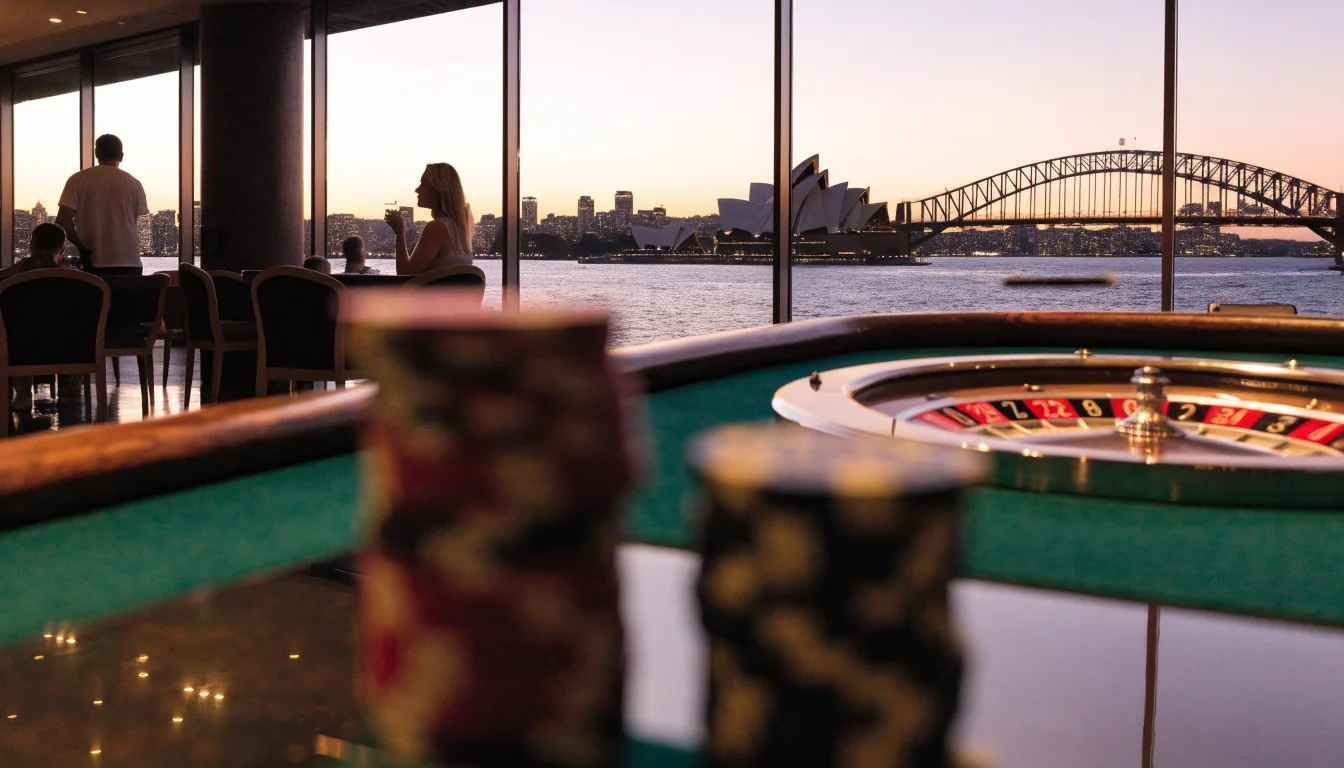
St Kilda is a more specific locality than a regional label, but its name still does not establish that a particular venue has pokies. Venue-level details need to be distinguished from assumptions based on suburb or district names. The same applies to claims about which area has the “best” pokies: geography cannot establish machine selection, return settings or likely outcomes.
A further distinction matters when interpreting place names. Newcastle is a separate city from Melbourne, so a phrase joining Newcastle and Melbourne does not identify a Melbourne suburb. Treating it as evidence about a local venue would confuse two different locations.
The phrase “maximum bet” also concerns a different question from where a venue is situated. A maximum stake is a machine setting; it does not, by itself, show that a pokie offers a better return or a greater chance of winning. Each spin remains an independent random event determined by a Random Number Generator. A high permitted stake therefore cannot be read as evidence of a favourable outcome.
Location Clarity
Meaningful geographic searches should focus on individual venues and specific addresses rather than broad regional labels.
For geographic comparisons, the meaningful unit is the individual venue and its stated location, rather than a broad east, south-east or west label. Claims about a specific suburb should not be extended to neighbouring districts, and a regional description should not be mistaken for a confirmed inventory of pokies. This keeps location, machine settings and game outcomes as separate matters rather than treating one as proof of another.
Pokies in Melbourne’s CBD and Clubs
The presence of clubs in Melbourne’s central business district does not, by itself, establish that they operate pokies. Nor does a venue’s general description as a club confirm what facilities it offers. Any claim about a particular CBD club or its machines therefore needs to be checked against current venue information rather than inferred from its name or location.
The same distinction applies to rankings. “Best” is not a measurable property without evidence about the criteria being compared, and a list of supposed CBD favourites would not show that the venues are comparable or that their machines offer better outcomes. Each pokie spin is an independent random event, so a venue label cannot predict an individual result.
Club searches also intersect with responsible-gambling protections. Deposit and loss limits, session time limits and self-exclusion are established tools for restricting gambling activity. Self-exclusion is a formal measure, not a way to identify which CBD clubs have pokies. Its relevance is in the controls available to people seeking to prevent or limit their own gambling.
At venues with more than twenty gaming machines, a dedicated Responsible gambling officer (RGO) is required to be on duty while those machines operate, according to a report by regionriverina.com.au describing the change. The same report describes a requirement for venues to keep an incident register covering occurrences such as behaviour indicating gambling harm. These obligations concern venue safeguards; they do not establish that any named club in the CBD has gaming machines.

The distinction between venue-based pokies and online gambling is also important. Under the Interactive Gambling Act 2001, companies cannot lawfully provide real-money online casino games to people in Australia without a domestic licence, and no such licences have been issued. That legal position does not turn a club’s presence in the CBD into evidence of its gaming facilities. For central Melbourne, specific claims about clubs and pokies should rest on information tied to the individual venue, not on broad descriptions or rankings.
North and South Melbourne Venue Searches
North Melbourne and South Melbourne are separate location terms, so a result associated with one should not be treated as evidence about the other. The distinction matters when a venue is described broadly as being “in Melbourne”: that wording alone does not establish which area it serves or whether pokies are available at a particular address.
For searches focused on North Melbourne, the useful distinction is between a venue’s stated location and any claim about its facilities. The same applies to South Melbourne. A suburb name in a listing, map label or discussion does not, by itself, confirm that the premises operate pokies. Venue details need to be tied to the specific premises rather than inferred from the area name.
This also limits what can be concluded about the wider city. A claim about one location cannot establish availability across North and South Melbourne, and a general reference to Melbourne does not resolve either area specifically. The terms describe where a venue might be sought, not a ranking of venues or evidence about machine selection.
Pokies searches for either area are therefore best understood as location-led. The relevant distinction is the exact venue and its stated facilities, rather than assumptions drawn from nearby suburbs or from Melbourne-wide descriptions.
Are online pokies legal for Australian players?
Yes, Australians can play on offshore sites that accept them, but the Interactive Gambling Act 2001 makes it illegal for companies to offer real-money online pokies to Australians without a domestic licence, and none have been issued. Players have no legal recourse in Australia if an offshore casino refuses to pay.
Can casinos change the RTP of their games?
Yes, some game providers let casinos choose from multiple RTP settings for a pokie, so the same game can have different return percentages at different casinos.
What does “wagering requirement” actually mean?
It is the amount you must bet, usually calculated as a multiplier of the bonus or deposit-plus-bonus, before you can withdraw winnings. For example, a 40x requirement on a $500 bonus means $20,000 in bets.
Published by the Voodoo Casino team.